


Phishing Scams and How To Recognize Them
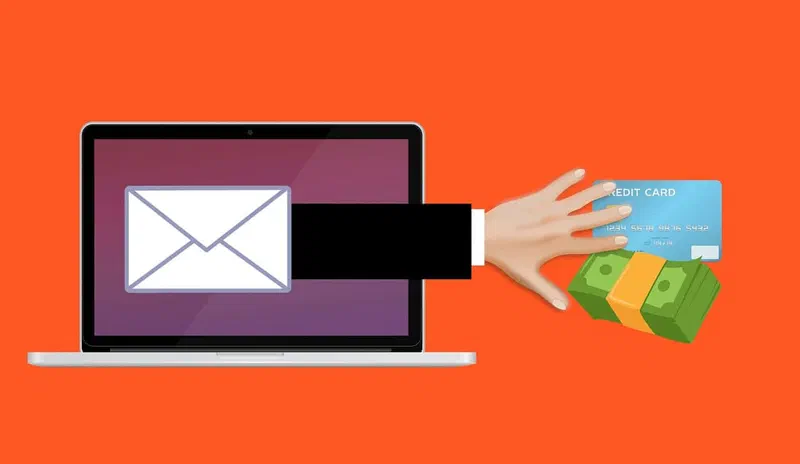
Phishing scams try to trick you into handing over passwords and personal information. Here's how to spot them and stay safe.
Phishing scams pose a significant threat to online security. These deceptive tactics aim to trick people into revealing sensitive information such as passwords, credit card numbers, or personal details. With awareness and vigilance, you can learn to recognize and avoid them.
Understanding Phishing Scams
Phishing scams typically use fraudulent emails, text messages, or websites designed to impersonate trusted organizations like banks, government agencies, or popular online services. The goal is to lure you into clicking malicious links, downloading harmful attachments, or sharing confidential information.
How to Recognize Phishing Attempts
- Check the Sender’s Email Address: Be wary of emails from unknown senders or addresses that look unfamiliar. Watch for misspellings or unusual domain names that may indicate a phishing attempt.
- Urgent or Threatening Language: Phishing emails often use urgent or threatening language to create panic and prompt immediate action. Be suspicious of messages claiming your account has been compromised or that you must verify your information right away.
- Requests for Personal Information: Legitimate organizations won’t ask you to send passwords, Social Security numbers, or credit card details by email. Treat any such request with skepticism.
- Suspicious Links and Attachments: Avoid clicking links or opening attachments in emails that seem suspicious or unexpected. Hover over a link to preview its address and make sure it matches the sender’s real website.
How to Avoid Phishing Scams
- Verify Requests Another Way: If you receive a suspicious email that claims to be from a real organization, contact them through their official website or customer service number before taking any action.
- Keep Software Updated: Make sure your computer, antivirus software, and web browser have the latest security updates to protect against vulnerabilities used by phishing attacks.
- Educate Yourself and Others: Stay informed about the latest phishing techniques and share what you learn with friends, family, and colleagues.
- Use Two-Factor Authentication: Turn on two-factor authentication wherever you can. It makes it much harder for someone to access your accounts, even if they get your password.